

Health & Wellbeing
- Smoking
- Factsheet
Vaping demystified in a non-judgmental way
Written by spunout
spunout has created a series of factual, non-judgmental resources about vaping and its effects so you can make informed decisions about your health
- Smoking
- Factsheet
How to reduce how much you vape
Written by spunout
If you vape and want to stop, but don’t feel like you can to quit right now, you may have a desire to reduce how much you vape
- Smoking
- Factsheet
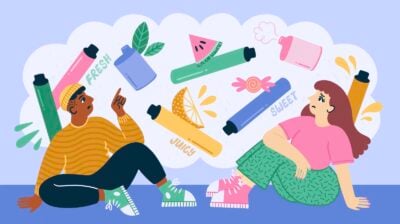
How are vapes marketed to young people?
Written by spunout
Vaping companies have been criticised by governments, health organisations and other regulatory bodies around the world for the techniques they use...
- Smoking
- Factsheet
Vaping and the environment
Written by spunout
Vaping products, in particular disposable vapes, can have a number of environmental impacts, especially when thrown away
- Smoking
- Factsheet
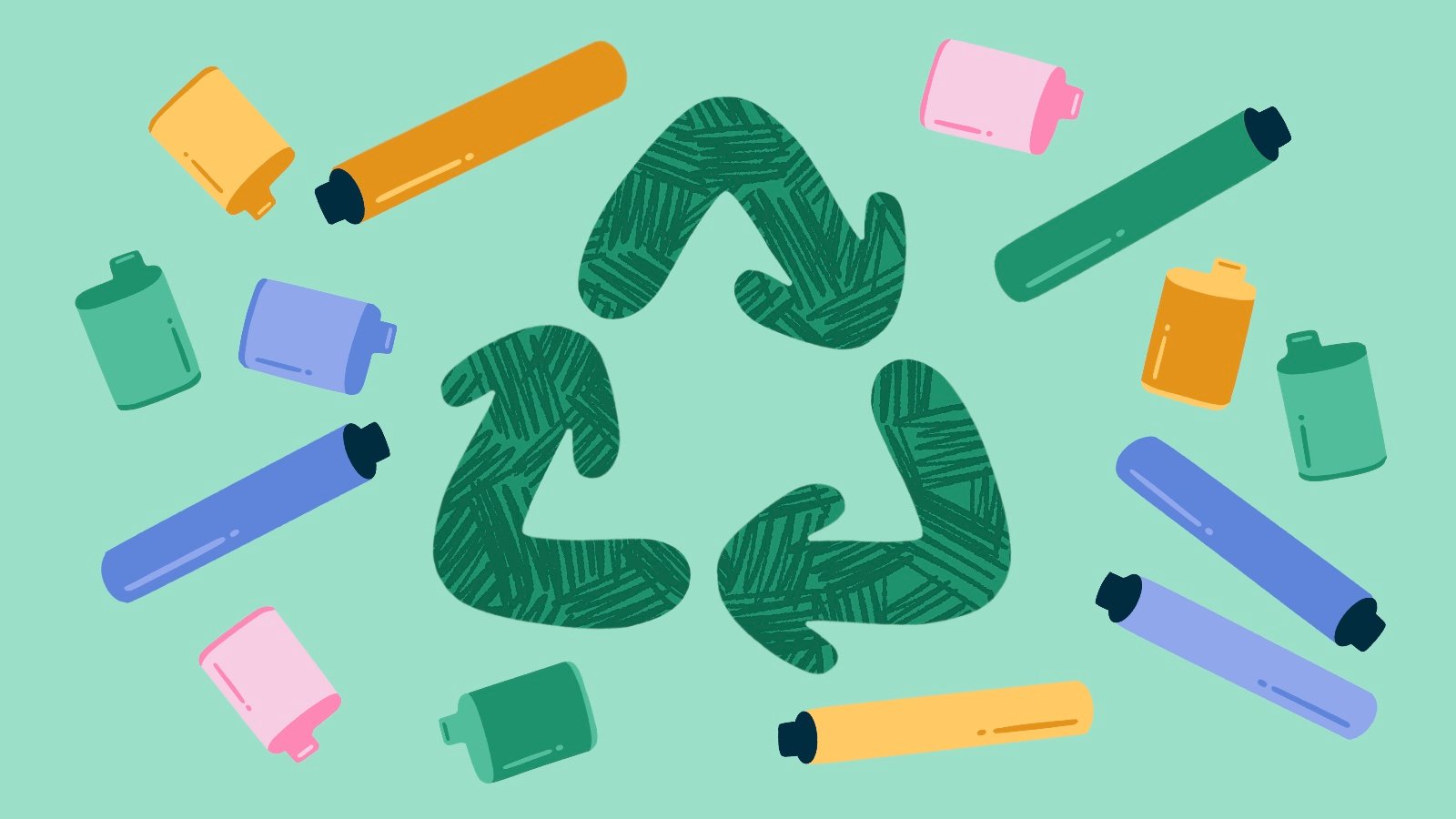
How to recycle disposable vapes
Written by spunout
Often, people are not aware of the risks disposable vapes pose to the environment or the amount of precious, rare materials they contain

- Smoking
- Factsheet
How to quit vaping
Written by spunout
Changing habits is difficult at the best of times, let alone when you are trying to stop using an addictive substance
- Smoking
- Factsheet
Vaping vs smoking: comparing the health effects
Written by spunout
If you vape, you may be curious about the differences between vaping and smoking and their associated risks

- Drugs
- Factsheet
Staying sesh safe with drug harm reduction
If you or those around you choose to use drugs, you should try to be aware of harm reduction advice.

- Drugs
- Factsheet
Harm reduction advice for when you are using drugs
Written by spunout
If you choose to use drugs, you can reduce the risks to your health by following simple harm reduction advice.
How to recycle disposable vapes
Our work is supported by