What is sepsis?
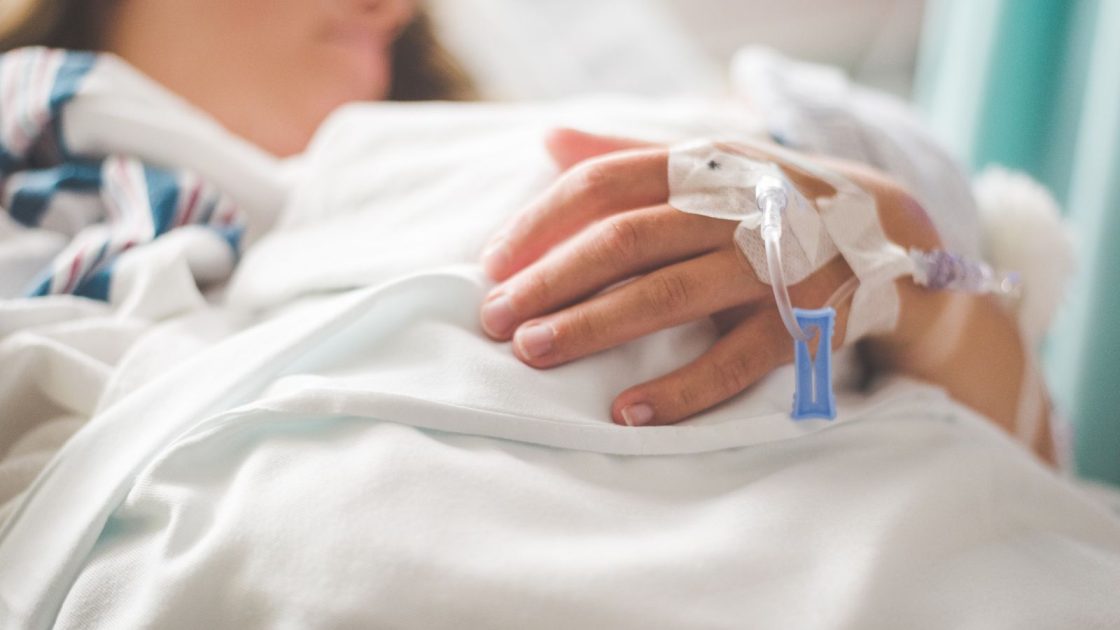
Sepsis – causes, symptoms, and treatment
Sepsis is a life-threatening complication of an infection. Anyone with an infection can get sepsis. When sepsis is diagnosed and treated quickly, a full recovery is possible. If sepsis is not diagnosed quickly, then it can lead to organ failure and death.
What causes sepsis?
It can be caused by bacterial infections, viral infections, and fungal infections. Sepsis happens when your immune system damages your tissues and organs while trying to fight an existing infection. It is your body’s reaction to the original infection. The most common sites of infection that lead to sepsis are the lungs and urinary tract, but it could show up elsewhere too. There are many infections associated with sepsis, so it’s important to trust your gut if you feel like something is off and contact a medical professional quickly.
Sepsis is usually in one part of your body, but if the infection is untreated or is not responding to antibiotics and your immune system is struggling to cope, then sepsis can spread across multiple organs.
Risk factors that may make sepsis more likely are:
- pregnancy,
- diabetes,
- obesity,
- cancer,
- weakened immune system,
- severe injuries,
- being in hospital, or
- being over 65 years old.
Symptoms of sepsis
It can be hard to tell if you have sepsis, but it’s important not to ignore the symptoms of sepsis if you think you may have them or delay seeking help.
Sepsis cannot develop unless you have an infection.
Common symptoms include:
- A high temperature (38 degrees or more)
- A low temperature (36 degrees or less)
- Chills and shivering
- A fast heartbeat
- Breathing difficulty
- Feeling or acting different than normal
- Vomiting
- Headache
- Feeling unwell
Symptoms of an emergency
You do not need to have all the symptoms of sepsis to seek medical help. Visit your nearest emergency department if you have 1 or more symptoms.
- Confusion
- Change in speech
- Difficulty breathing
- Lips turning blue
- Pounding in your chest
- Feeling dizzy, faint, or losing consciousness
- Not peeing as much as normal
- Cold, clammy, or pale hands or feet
- Severe muscle pain
- Leg pain or difficulty standing
- A rash
- Symptoms lasting more than 24 hours
Maternal sepsis
Maternal sepsis is rare, but it can be life-threatening. It is sepsis that develops during pregnancy or up to six weeks after a birth, a miscarriage, or an abortion. Pregnancy impacts your immune system, which means you may be more likely to get an infection.
Treatment for sepsis
Sepsis and septic shock require emergency treatment. Treatment in hospitals often includes antibiotics, fluids, and oxygen. Medical staff may also carry out tests such as blood tests, x-rays, and scans.
Antibiotics are usually administered intravenously within 1 – 3 hours of diagnosis, which means using a needle to put medicine, food, or liquid straight into your veins. You may need to be on antibiotics for up to 10 days or longer. If you have a viral infection, antibiotics do not work, so your healthcare professional will explore other options depending on your symptoms.
The infection that causes sepsis will also need to be fully treated.
Septic shock
Sepsis causes your organs to stop working, which can lead to septic shock. If you develop septic shock, you may need to be taken to the Intensive Care Unit (ICU) because your organs will need support. The risk of septic shock is one of the reasons it is important to seek medical help quickly if you think you may have sepsis.
Sepsis and Urinary Tract Infections (UTIs)
Urosepsis is when a UTI leads to sepsis, meaning that your body is having a life-threatening response to a UTI. Up to 30% of sepsis cases begin in the urinary tract. The most common reason for this is an untreated or undertreated UTI, meaning that the infection travels to your kidneys. The urinary tract consists of the kidneys, ureters, bladder and urethra.
UTIs affect 50-60% of women and people with female sex organs and 12-14% of men/ male sex organs, so women are disproportionately affected by UTIs that can lead to sepsis.
Symptoms of a UTI include:
- Needing to urinate more often and suddenly
- Pain when you urinate
- Blood in your urine
- Pressure in your lower abdomen
- Fever or chills
If you have a UTI, it is important to get prompt treatment to avoid complications like sepsis.
Recovery from sepsis
Most people who are treated for sepsis make a full recovery, but the physical or emotional impacts of sepsis may last for months or years. If you’ve had sepsis, you are more susceptible to getting sepsis again in the future.
Some long-term symptoms associated with sepsis are:
- Feeling weak and tired
- Difficulty sleeping
- Appetite changes
- Getting ill more often
- Mood changes
- Anxiety
- Depression
- Nightmares
- Post traumatic stress disorder (PTSD)
These often last 6-18 months, but everyone’s experience is different.
How to support your own recovery
You can contact your GP for support and explore these lifestyle changes:
- Slowing down – ask work or college about making adjustments while you’re recovering
- Trying gentle exercise to build yourself back up again
- Working on resting and sleeping better
- Try and prevent future infections – keep up to date with vaccines, wash your hands, clean any wounds, always finish courses of antibiotics, maintain a healthy lifestyle
- Eating little and often if you have a small appetite
- Talking to someone about how you’re feeling
- Keeping a diary to track your recovery progress, including sleep, symptoms, and exercise
Related articles

- Drugs
- Health & Wellbeing
- Factsheet
What is HHC?
Written by: spunout
HHC is a cannabis-like drug previously sold in Ireland as a legal alternative to cannabis, though it has since been made illegal

- Smoking
- Factsheet
What are nicotine pouches (snus)?
Written by: spunout
Nicotine pouches are a smokeless nicotine product that are placed inside the mouth, between the lip and gum or cheek
Our work is supported by