

Skip navigation and jump to content
Welcome to Ireland's Youth Information Website
Follow us
Facebook Twitter Instagram YouTube Snapchat

Accessibility Options

High Contrast Text Size

Acne

Dealing with the stress of spots


Written by SpunOut | View this authors Twitter page and posted in health


Share this article -

What is acne?

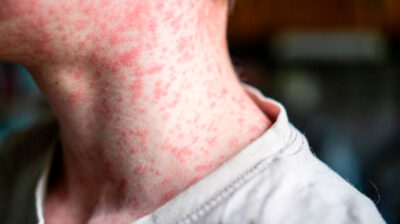
Acne is the medical word used to describe spots. Acne can be just the odd pimple or it can affect your whole face, neck, chest or back with red, white or yellow spots or blackheads. Spots are caused by the skin producing too much oil and the pores and hair follicles becoming blocked.

Acne and you

Anybody who thinks that spots don’t affect your self-confidence has obviously never dealt with a face full of pimples. Listening to everybody else’s opinion on the best treatment for getting rid of them, giving in to the temptation of squeezing the nasty ones or waking up to the horror of a fresh eruption on your face is stressful to say the least. When comments like “pizza face” are sniggered behind you, it’s not something that's easy to forget.

Why do I get spots?

  • During puberty and the teen years a lot of hormonal changes happen in our body. 8 out of 10 teenagers get spots and most of us get spots at some point in our lives.
  • The hormone testosterone (both boys and girls have it) causes glands in your skin to produce large amounts of oil (sebum). When too much oil is produced the skin can react with spots or blackheads.
  • However it’s not just puberty changes that trigger acne, it can also be caused by hormonal changes before or during your period, stress or genetics (acne can run in the family). Stress in particular can do a number on your body. When we get stressed, our adrenal glands work overtime and release a stress hormone called cortisol. Too much cortisol stimulates these adrenal glands further to release testosterone. Excess testosterone is a major cause of acne.
  • An old myth is that we get spots from eating too many sweets and junk food, or because we don't wash properly. This isn’t true. Eating a good diet may help with acne, but it is not always a cure. Lots of us have to deal with spots and it’s not just a teenage problem. Many adults get acne for the first time or a repeat break-out in their 20s or 30s.

There is treatment available and others should take you seriously if you’re worried about spots.

Colourful generic cream pots

Creams are just one option for the fight against spots.

Over the counter remedies

  • You can get a lot of acne washes and creams in your local supermarket. However, the stronger stuff is usually sold in chemists. So, it might be worth asking the pharmacist’s advice.
  • The creams and washes tend to contain ingredients such as benzoyl peroxide and salicylic acid.

Natural remedies:

  • Aloe vera can be used as a treatment via soaps and creams. This plant is a great healer for both internal and external ailments. There are tons of aloe vera products available at your local health food shop.
  • Use a honey mask once or twice a week. Honey has antibacterial properties.
  • Tea tree oil can also be helpful as it too is an anti bacterial herb.
  • Make sure you get enough Vitamin A (from carrots, organ meats and dairy) and Vitamin C (from fresh fruit and veg) in your diet as both are very important for the skin and they help with acne.

Here’s some tips to remember when you’re stressing about spots:

  • You aren’t alone in having spots so don’t let them ruin your confidence. Hold your head high and smile -- people will focus on that instead of your skin.
  • Don’t obsess about your spots. Get treatment, keep your skin clean and then try to forget about them.
  • Think about what people admire you for (your sense of humour, loyalty, honesty or so on) and feel good about it. People might notice your spots, but if they get the chance to know you, they’ll forget all about them and like you for your personality.
  • Ignore the bullies. If anyone is nasty enough to tease you about your spots, try to be strong and ignore them. It’s hurtful, but if they are doing something so stupid they aren’t worth getting upset over. If it's really bad, find out how to deal with your bullies.
  • Pay a visit to your GP or a dermatologist and see what they can do, as there are loads of medicines available to treat acne. If your doctor won't prescribe medication or is unhelpful, ask to see a different doctor.
  • Try medicated concealer sticks while you are waiting for results from your medication. Just dab a little on the spot itself -- not all over your face. Remember lads, you can use concealer too!
  • As strange as it sounds, overwashing is bad news for acne. If you wash your face too much, you will just over stimulate the oil glands to produce even more oil. Gentle washing twice a day is where it’s at. If you have sensitive skin, be sure to choose a soap or cleanser especially formulated for your skin type and don’t be tempted to overload your skin with harsh chemical cleansers.
Share this article -

Published December 18th, 2012
Last updated October 30th, 2015
Tags acne hormones spots
Can this be improved? Contact editor@spunout.ie if you have any suggestions for this article.

Need more information?

Request to speak with a youth worker in your area over the phone, by email or text. They may be able to assist you by providing further information specific to your needs.

Youth Work Ireland - Crosscare - YMCA

Contact via: Phone E-mail Text
By clicking submit you agree to our terms and conditions. ​Please note that this service is run by Youth Work Ireland and Crosscare​.​ E​nquiries are not handled by SpunOut.ie directly.
Jump to related articles
Was this article helpful?