Health & Wellbeing

- General
- Health & Wellbeing
- Factsheet
spunout’s Halloween harm reduction guide
Written by: spunout
Halloween is a great holiday to enjoy going out, celebrating, dressing up, and more. There’s usually multi-day festivals and celebrations all...
- Drugs
- Health & Wellbeing
- Factsheet
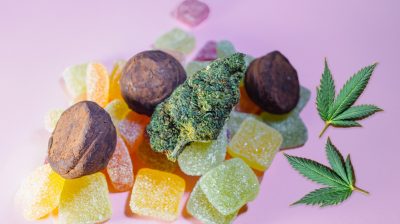
What is HHC?
Written by: spunout
HHC is a cannabis-like drug previously sold in Ireland as a legal alternative to cannabis, though it has since been made illegal
- Smoking
- Factsheet
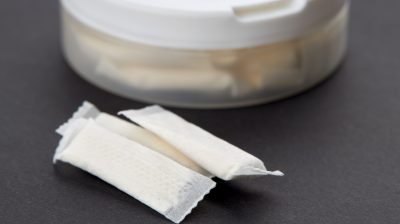
What are nicotine pouches (snus)?
Written by: spunout
Nicotine pouches are a smokeless nicotine product that are placed inside the mouth, between the lip and gum or cheek

- Drugs
- Factsheet
What is back of house testing for drugs?
Written by: spunout
Find out about the HSE back of house testing for drugs

- Health & Wellbeing
- Factsheet
Sun safety tips for the spring and summer months
Written by: spunout
Following these simple tips can help you avoid sun burn and decrease your risk of skin cancer while enjoying the weather.
- Health & Wellbeing
- Factsheet
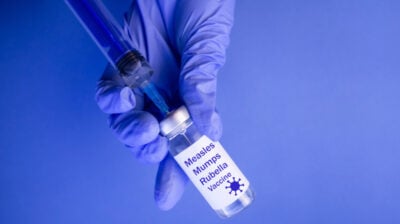
How does measles (MMR) vaccination work?
Written by: spunout
People often get a vaccine called the MMR vaccine in childhood to protect from measles, mumps and rubella, three very infectious illnesses
- Health & Wellbeing
- Factsheet
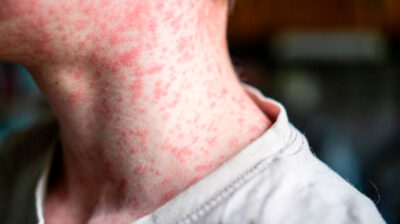
Signs and symptoms of measles
Written by: spunout
It is important to be aware of the signs and symptoms of measles and to seek medical advice if you think you may have the illness
- Smoking
- Factsheet
Vaping demystified in a non-judgmental way
Written by: spunout
spunout has created a series of factual, non-judgmental resources about vaping and its effects so you can make informed decisions about your health
spunout Academy
Ireland’s online learning platform for mental health and emotional wellbeing
Our work is supported by